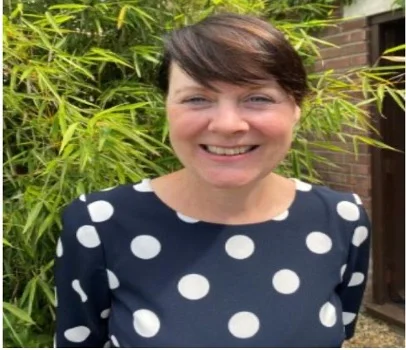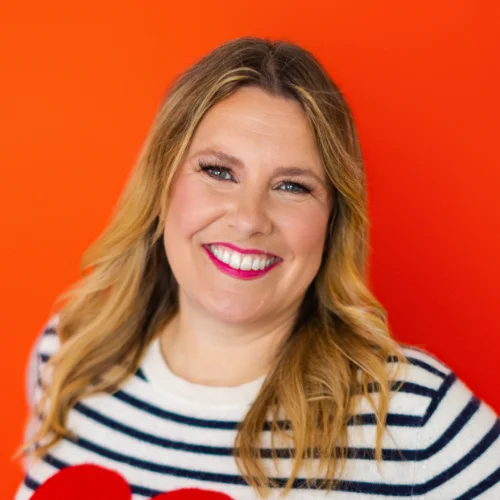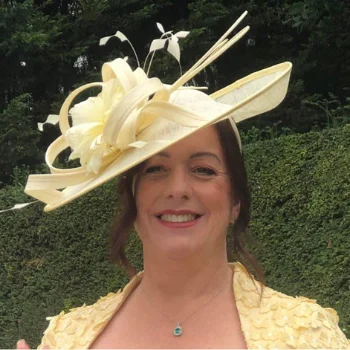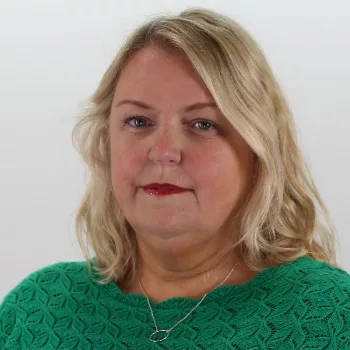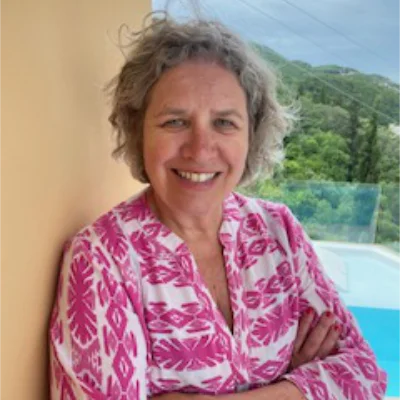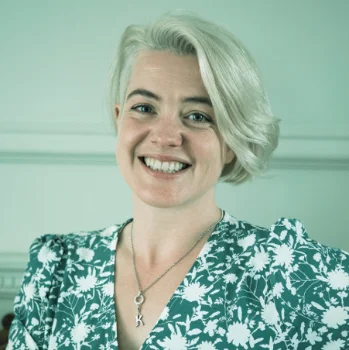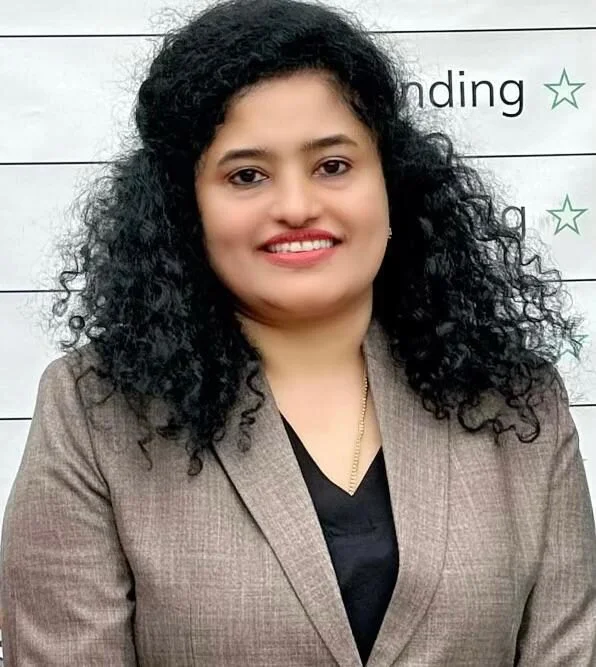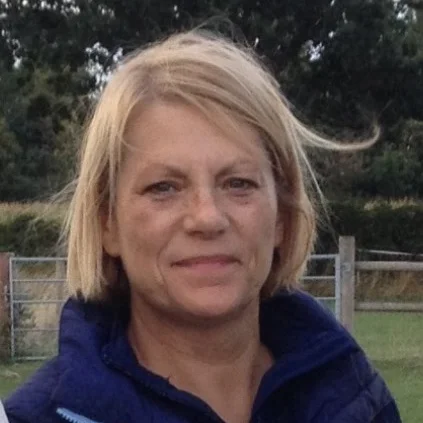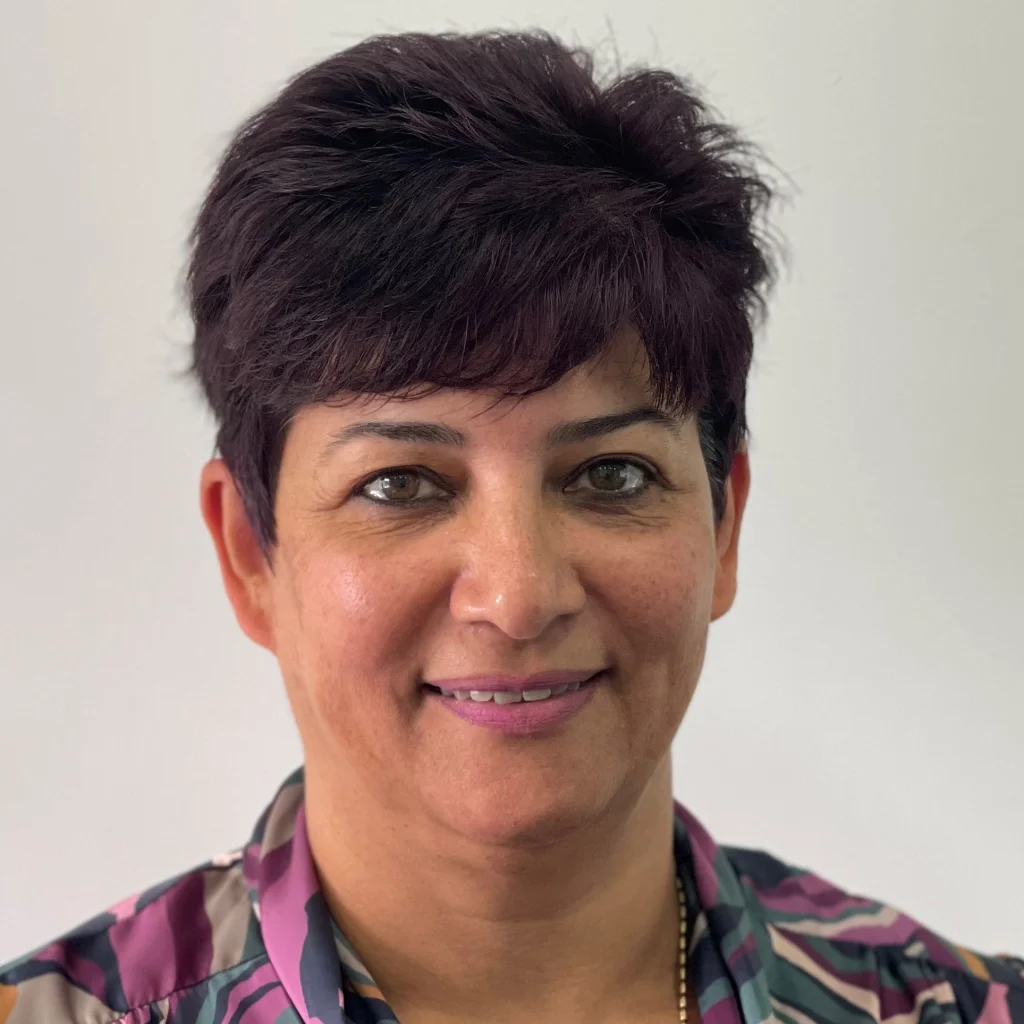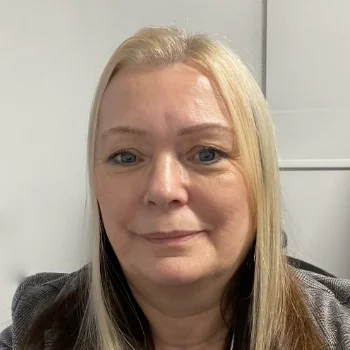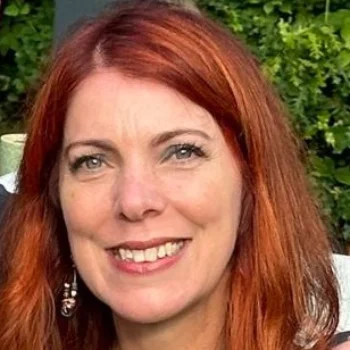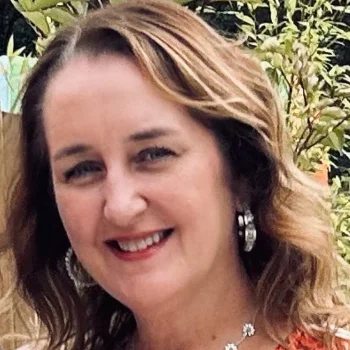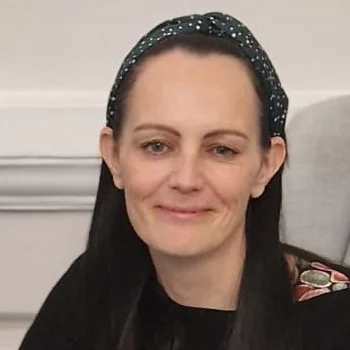

On 23 July 2026, nursing leaders from across England gathered in London for the Chief Nursing Officer (CNO) Summit, bringing together chief nurses, executive nursing leaders, policymakers, educators and representatives from health and social care.
The event was opened by Duncan Burton, CNO for England, who outlined the importance of strengthening nursing leadership across all sectors while recognising the unique contribution made by nurses working beyond traditional NHS settings. He reaffirmed his commitment to ensuring that social care nursing expertise continues to influence national policy and welcomed delegates from the Social Care Nursing Advisory Councils (SCNACs), particularly during the transition following the retirement of Professor Deborah Sturdy as Chief Nurse for Adult Social Care.
Rt Hon Yvette Cooper MP delivered one of the keynote addresses, speaking just four days after her appointment as Secretary of State for Health and Social Care. She emphasised the need for fundamental reform of health and social care services, echoing Prime Minister Andy Burnham’s vision for a more integrated, community-focused system that delivers better outcomes for people. Acknowledging that the current model is not consistently meeting the needs of individuals or communities, she called for bold, collaborative action to redesign services around prevention, partnership and person-centred care.
One of the most moving presentations centred on the story of Darren, whose death by suicide highlighted the devastating consequences of unmet support needs. Shared by healthcare professionals alongside members of Darren’s family, the presentation offered a powerful reflection on the opportunities that were missed and challenged delegates to consider how different the outcome might have been had Darren been truly placed at the centre of coordinated, person-centred support within his community.
His story served as a poignant reminder of the importance of listening to individuals, working collaboratively across services and ensuring compassionate, timely support is available to those who need it most.
The summit provided delegates with an opportunity to reflect on the future of nursing leadership at a time of significant change across health and care services. Collaboration, innovation, workforce development and integrated working were recurring themes throughout the day.
A particularly significant feature of this year’s summit was the strong representation from the SCNACs. Their attendance reinforced the growing recognition that social care nursing is fundamental to the sustainability of the wider health and care system. Throughout the day, delegates returned to a clear message: the future of health services cannot be shaped without social care being recognised as an equal strategic partner.
Presentations from senior nursing leaders across NHS England, adult social care, Integrated Care Systems and professional organisations explored the increasing complexity of care, workforce challenges, leadership development and the need for closer integration between health and social care.
SCNAC representatives provided an important voice for the thousands of registered nurses working in care homes, community services, home care, learning disability services and other social care settings.
They highlighted how social care nurses are supporting people with increasingly complex needs, including multiple long-term conditions, frailty, dementia and palliative care, often delivering highly skilled clinical care outside hospital environments.
Zoë Fry, Director of Nursing for The Outstanding Society (OS) said, ‘This year’s summit has felt different to previous years and there is a changing picture emerging across health and social care which is exciting’
A recurring theme was the need for stronger, more visible leadership structures within social care. Delegates recognised that while NHS organisations benefit from well-established executive nursing leadership and governance arrangements, equivalent leadership opportunities within social care remain inconsistent. There was widespread agreement that social care requires greater representation at system level, with senior nursing leaders contributing directly to Integrated Care System (ICS) decision-making, regional planning and national policy. Stronger leadership would not only improve quality and safety but also ensure that social care nursing expertise helps shape future service redesign.
The importance of integrated working was another key discussion point. As people increasingly move between hospital, community and social care services, delegates agreed that organisational boundaries should no longer determine how care is planned or delivered.
Examples of successful collaboration demonstrated improvements in hospital discharge, prevention of avoidable admissions, medicines optimisation, palliative care and end-of-life services, reinforcing the value of health and social care professionals working as equal partners. The pressures of system failures for individuals was recognised and courageous leaders shared personal and professional stories about the impact of these pressures.
Leadership development also featured prominently, with delegates recognising the need for clearer career pathways, education, research opportunities and succession planning for nurses working within social care. Strengthening leadership capability at every level was seen as essential for attracting, developing and retaining the nursing workforce.
The summit concluded with a shared commitment to strengthening nursing leadership across all sectors and ensuring that social care has a stronger voice within strategic decision-making. The active contribution of the SCNACs demonstrated that social care nursing is increasingly recognised as a strategic partner in improving outcomes for individuals and communities.
Perhaps the strongest message from the day was that social care should not be viewed as a destination after healthcare but as an integral part of the health and care system. As integrated care continues to evolve, the leadership, innovation and expertise of social care nurses will be essential in shaping sustainable, person-centred services that meet the needs of future generations.
For more information about the SCNACs and opportunities to get involved, reach out to The OS (https://theoutstandingsociety.co.uk/scnac/, contact Sonia on Admin.SCNAC@theoutstandingsociety.co.uk) or speak to your regional contacts today.