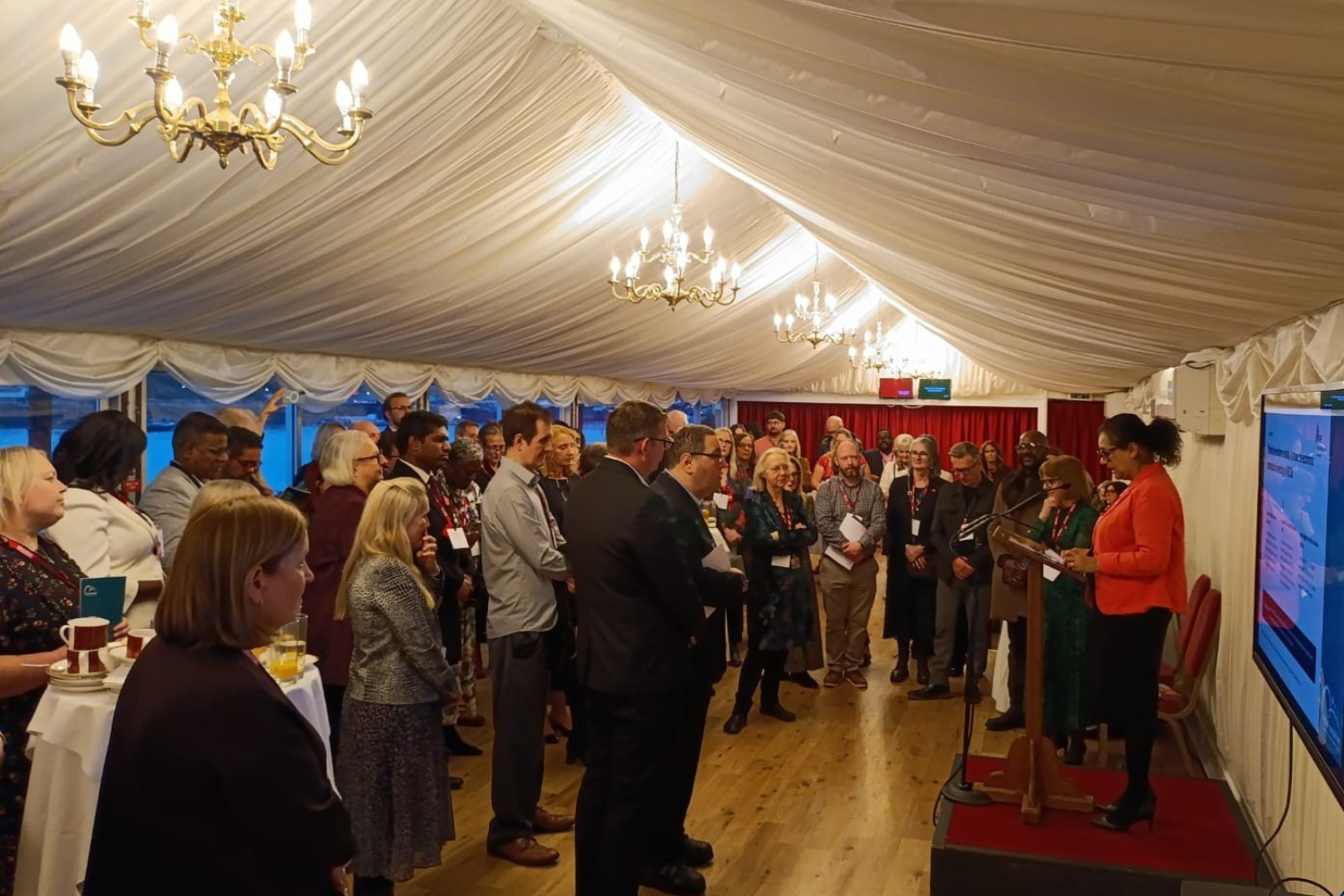
 Last week, representatives from the Outstanding Society had the privilege of attending Reducing Inequalities, Improving Lives: The Contribution, Impact and Value of Learning Disability Nursing at the House of Lords.
Hosted by the RCN Foundation, the event marked the launch of an important report highlighting the vital contribution that learning disability nurses make in tackling health inequalities and improving outcomes for people with learning disabilities.
The event brought together people with lived experience, family carers, researchers, healthcare leaders, advocacy organisations and policymakers, all united by a common goal: improving the health and wellbeing of people with learning disabilities. Attendees included organisations such as Achieve Together and Dance Syndrome, alongside representatives from NHS England and leading researchers in the field.
The report arrives at a crucial time. Despite years of progress, people with learning disabilities continue to experience significant health inequalities, poorer health outcomes and a higher risk of premature mortality compared to the wider population. The evidence presented reinforces what many across the care sector already know: learning disability nurses play a unique and indispensable role in helping people access the right care, at the right time, in the right way. Their specialist expertise in communication, advocacy, reasonable adjustments and system navigation helps bridge gaps that too often lead to poorer outcomes.
What makes this report particularly powerful is its evidence base. Drawing on research commissioned through the Inclusive Health – Enhancing the Lives of Individuals with Learning Disabilities programme, the findings demonstrate not only the clinical value of learning disability nursing but also its economic impact across health and social care systems. The research concludes that Registered Nurses in Learning Disabilities make a distinctive contribution to reducing health inequalities, improving quality of life, supporting families and preventing avoidable deaths.
The report also highlights a challenge that cannot be ignored: the sustainability of the learning disability nursing workforce. Concerns around recruitment, retention and visibility of the profession remain significant. In response, the report calls for the development of a UK-wide National Learning Disability Nursing Strategy that would strengthen the workforce, protect specialist roles and embed learning disability nurses across community, primary and acute healthcare settings.
For those of us working in adult social care, these findings resonate strongly. We see every day the importance of person-centred support, effective communication and partnership working in helping people lead healthier, more fulfilling lives. The report reinforces the fact that reducing health inequalities requires collaboration across health and social care and that learning disability nurses have a critical role to play within that partnership.
As a sector, we must continue to champion evidence-based approaches that improve outcomes for people with learning disabilities. Reports such as this provide not only valuable insight but also a clear call to action. They remind us that addressing inequalities is not solely a healthcare issue, but a shared responsibility across all services that support people to live well.
We congratulate the RCN Foundation and all those involved in this important programme of work. We encourage our members and wider network to explore the report’s findings and consider how they can contribute to creating more equitable, accessible and inclusive services for people with learning disabilities.
Read the full report here and to learn more via the RCN Foundation website.
Continuing the Conversation
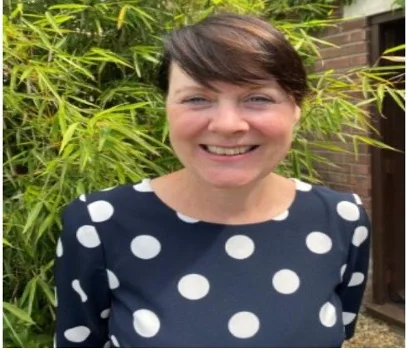
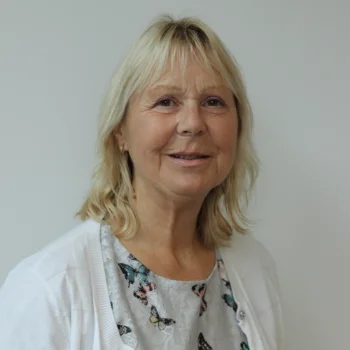
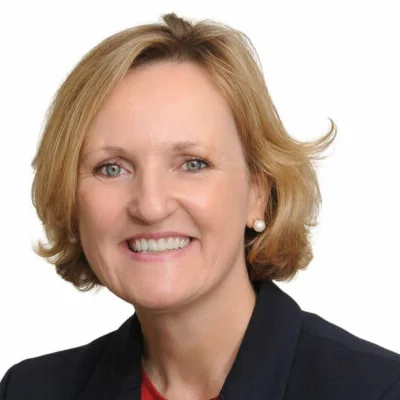
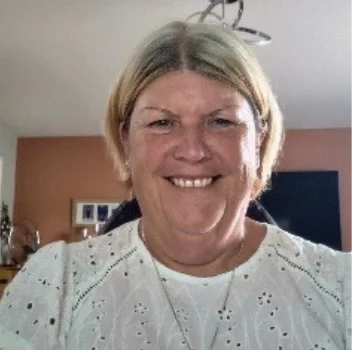
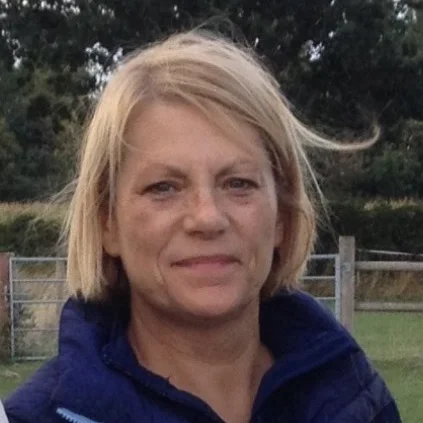
Lara Bywater, Executive Director for Learning Disability, Autism and Mental Health Care at the Outstanding Society reflects on the report launch.
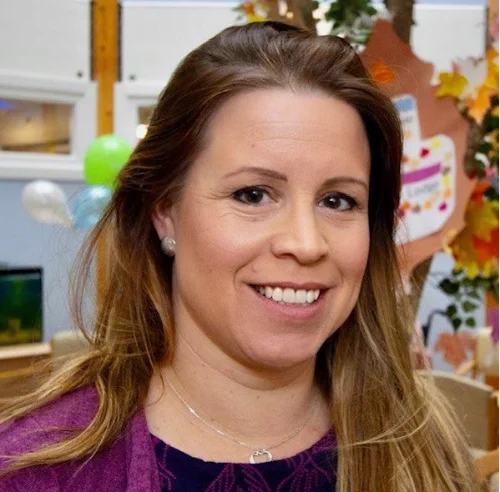
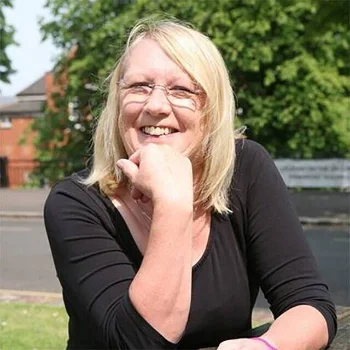
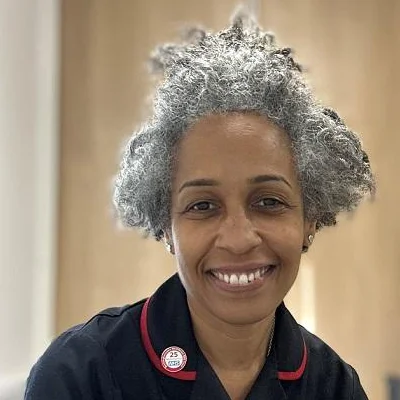
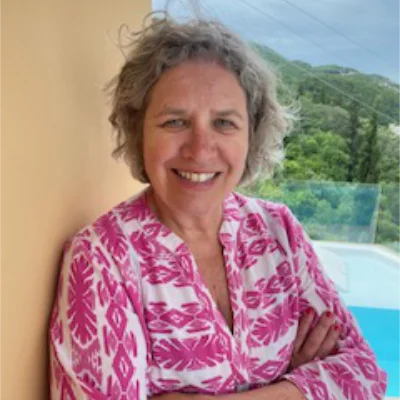
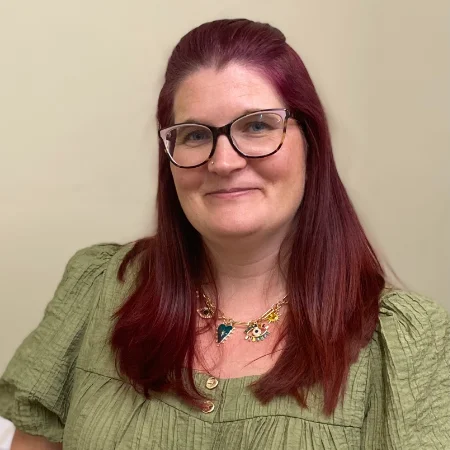
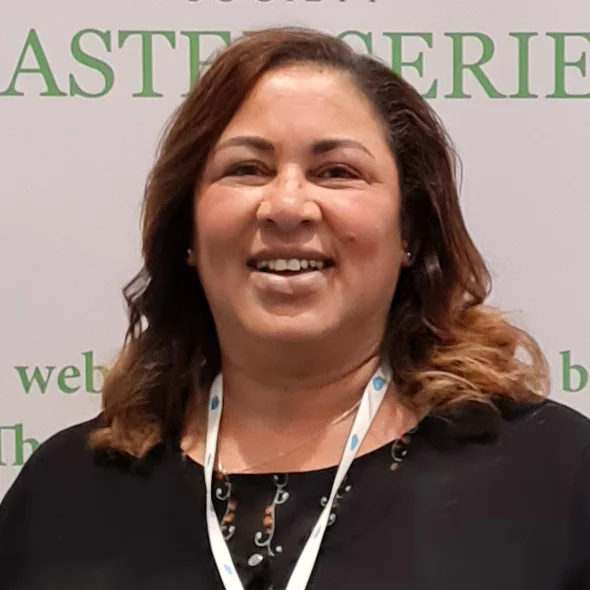
We’re also pleased to share the perspectives of two experienced learning disability nurses and Co-Chairs of the Social Care Nursing Advisory Councils (SCNAC), Karen Roberts and Anthony Birmingham.
Their reflections offer valuable insight into the realities of learning disability nursing, the impact that specialist nurses have on people’s lives, and why investment in this profession is essential if we are to address the inequalities highlighted within the report.
Together, these reflections reinforce a simple but powerful message: improving outcomes for people with learning disabilities requires visible leadership, a skilled and sustainable workforce, and a continued focus on listening to the voices of people with lived experience.
The publication of Reducing Inequalities, Improving Lives: The Contribution, Impact and Value of Learning Disability Nursing is an important milestone, but it must also be a catalyst for action across the health and social care sector.
I felt truly honoured and privileged to attend the House of Lords with the RCN Foundation to celebrate Learning Disability Nursing and the launch of reducing inequalities, improving lives, the contribution, impact and value of Learning Disability Nursing.
It was a powerful and significant occasion recognising the vital role that Learning disability Nurses play in transforming lives, challenging inequalities, championing human rights and ensuring that people with learning disabilities receive the care, dignity and respect and opportunities they deserve.
It was also a moment to celebrate the dedication, expertise and impact of our profession and to remind us why Learning Disability Nursing matters now more than ever.
I left feeling proud, inspired and even more committed to championing our profession, amplifying the voices of people with learning disabilities and continuing to drive meaningful change.
Learning Disability Nursing is not just about providing care; it’s about changing lives, challenging inequalities and making sure every person has the opportunity to live their best lives.
Let’s not just celebrate the value of Learning Disability Nursing; let’s recognise it, invest in it and ensure it has a strong voice in shaping the future of health and social care.

It was a privilege to attend the RCN Foundation’s launch of their new report, Reducing Inequalities, Improving Lives, the Contribution, Impact and Value of Learning Disability Nursing at the House of Lords.
As co-chair of the North-Eastern Yorkshire Social Care Nurse Advisory Council, and even more importantly, a learning disability nurse myself, it’s great to see a room full of people with such passion for improving the lives of people with learning disabilities.
As the report highlights, the health inequalities faced by people with learning disabilities remain significant. If we want to change that, we need to recognise and value the specialist skills, the knowledge and the contribution of learning disability nurses.
Showcasing the varied but vital roles of RNLDs is our SCNAC’s current priority. We’re collecting real stories from RNLDs to show the real impact they make every day.
This report feels like another important step towards greater recognition of our profession. I hope its findings are taken forward to make a real difference to the lives of people with learning disabilities.