Nurses and Social Care Colleagues Unite Across the Southwest
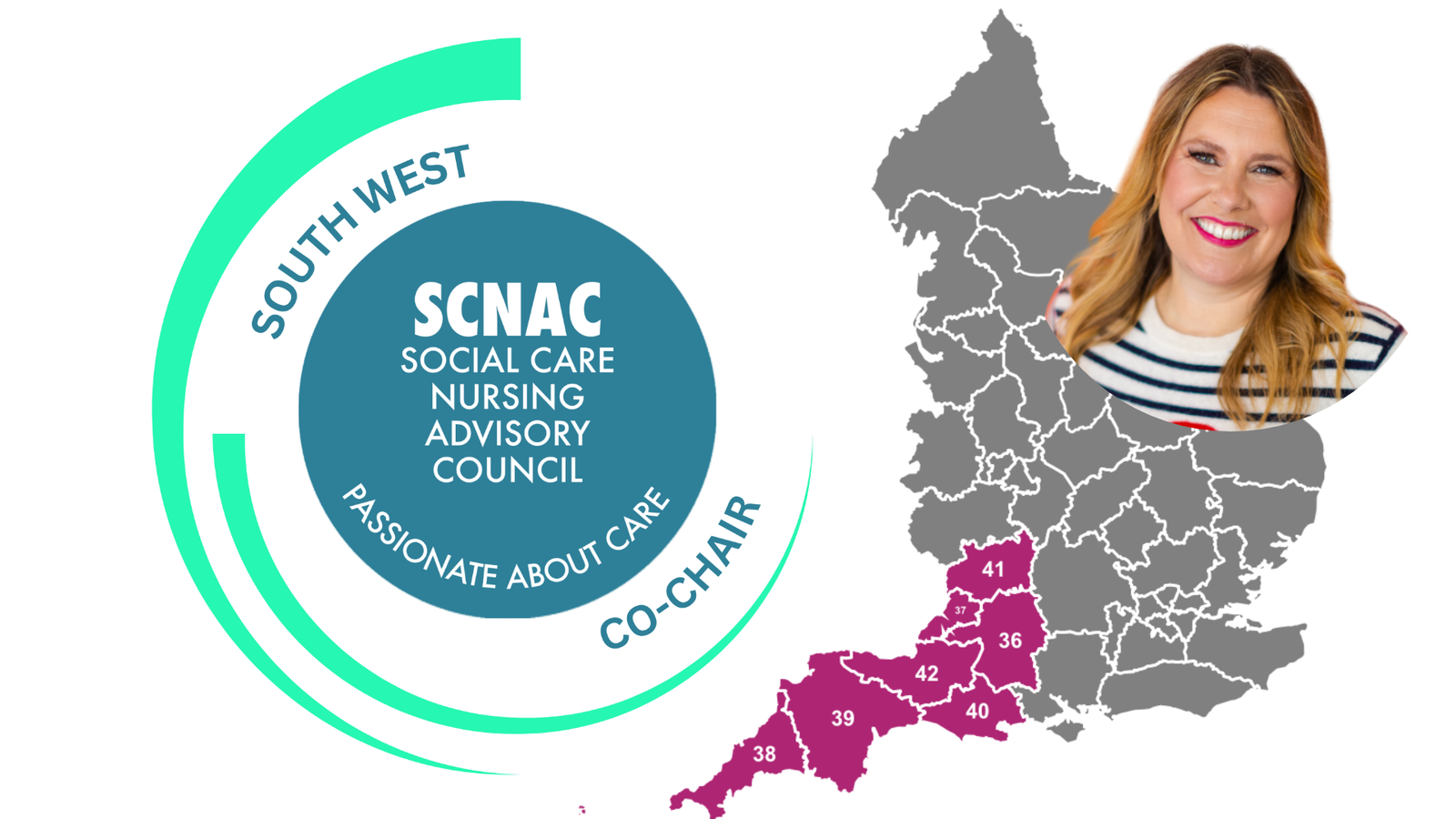
Written by Cindy Willcocks, Cochair Southwest Social Care Nursing Advisory Council
(SCNAC)
The Southwest Social Care Nursing Advisory Council brings professionals together to champion workforce wellbeing, prevention and improved care
The Southwest Social Care Nursing Advisory Council (SCNAC) held its second face-to-face event at South West House in Taunton, bringing together nurses and colleagues from across the social care sector for a full day of shared learning, professional connection and discussion about the future of care.
Hosted by co-chairs Cindy Willcocks and Cheryl Angco, the event celebrated achievements, showcased innovative practice and strengthened relationships between professionals working across the region.
Arterne Care Limited generously sponsored the full-day event, providing refreshments and snacks throughout the day, as well as lunch for everyone attending. This support helped create a welcoming environment for nurses and social care colleagues to connect, share experiences and learn from one another.
Reconnecting through face-to-face collaboration
The Southwest Social Care Nursing Advisory Council co-chairs began planning these twice-yearly face-to-face events in response to feedback from council members. After spending so much time attending online meetings, members felt they had missed the valuable opportunities for in-person connection, discussion and relationship-building that face-to-face events provide.
The events create dedicated time for nurses and social care colleagues to share experiences, learn from one another and explore how their individual contributions can support the wider workforce.
This approach reflects the council’s commitment to workforce wellbeing across the Southwest. Creating opportunities for professionals to connect, feel supported and share good practice is an important part of developing a resilient workforce.
The event also incorporated the Resilience-based Clinical Supervision (RBCS) model developed by the Foundation of Nursing Studies (FoNS), reinforcing the importance of reflection, emotional wellbeing and compassionate professional relationships.
The approach supports the NHS ambition to move from a predominantly reactive health system towards one that places greater emphasis on prevention, helping people maintain their health and wellbeing and addressing needs before they escalate.
Supporting workforce wellbeing through resilience-based clinical supervision
The FoNS Resilience-based Clinical Supervision model provides a restorative approach to clinical supervision, giving professionals a safe and supportive space to reflect on their experiences and the emotional demands of their work.
Key elements include creating a safe, non-judgemental environment; mindfulness and reflection; understanding emotional responses; recognising the impact of self-critical thoughts; and developing self-compassion.
These principles are particularly relevant to social care, where professionals regularly navigate complex emotional situations while supporting people with significant health and care needs.
FoNS offers its RBCS programme free of charge to eligible registered nurses and nursing associates working in social care settings in England. The virtual programme offers an opportunity to develop reflective practice, strengthen resilience and support colleagues and teams.
Further information is available through the Foundation of Nursing Studies.
Celebrating national recognition for social care nursing
The event provided an opportunity for Cindy and Cheryl to celebrate a significant shared achievement: becoming Chief Nursing Officer (CNO) Gold Award winners in social care in July 2026.
This recognition shines a light on the contribution of nurses working in social care, whose expertise can be overlooked when nursing is discussed primarily in the context of hospitals and traditional NHS services.
Social care nurses play a vital role in supporting people with complex needs, promoting independence, improving quality of life and preventing avoidable deterioration. Their work often takes place in care homes, community settings and other environments where clinical judgement, compassionate leadership and effective partnership working are essential.
For Cindy and Cheryl, the recognition reinforces the importance of raising the profile of social care nursing, supporting the workforce and ensuring that its expertise informs practice and policy.
Celebrating innovation and sharing good practice
A key feature of the day was hearing directly from council members about their work and the difference they are making across health and social care.
Dr Kirsten Protherough joined the event virtually to discuss CareBoodle, a digital workflow tool designed to help care staff recognise and escalate concerns about possible delirium. The tool supports structured observations and information-sharing with relevant professionals.
This work is particularly relevant when a person living with dementia experiences a change in their usual presentation. Recognising possible delirium early is important because new or fluctuating confusion may indicate an acute health problem requiring clinical assessment.
Annie Dale, Head of Nursing for South West Prisons, shared insights into prison nursing and its relevance to social care. Prison nursing involves supporting people with physical health needs, mental health challenges, long-term conditions and other complex vulnerabilities within a secure environment.
Social care has an important role in this system. People in prison may require support with daily living, disability-related needs, rehabilitation and preparation for release. Effective partnership between prison healthcare, social care and community services can help ensure continuity of care as people move between settings and return to their communities.
Cathy Rant, Clinical Practice Lead (Adult & Mental Health Nursing) at the University of Exeter Academy of Nursing, shared her work developing student nurse placements across social care and community settings. Through this work, Cathy is helping future nurses gain valuable experience beyond traditional hospital environments, strengthening their understanding of person-centred care, community wellbeing and the important contribution of social care to the wider health and care system.
These placements also create opportunities for social care organisations and their teams to contribute to nursing education, share their expertise and help shape the next generation of nurses.
Together, these contributions demonstrated the breadth of expertise within the council and the value of bringing professionals from different backgrounds together to share learning and identify opportunities for collaboration.
Working together on prevention: dementia and suicide prevention
The event supported the agreed projects of the Southwest Social Care Nursing Advisory Council, which aim to develop a blueprint for prevention projects that can inform and inspire practice across the region.
The council’s current focus is on two important areas: dementia and suicide prevention. Both highlight the value of identifying needs early, strengthening community support and enabling professionals to act before difficulties escalate into crisis.
In dementia care, prevention-focused work includes improving awareness, recognising changes in presentation, supporting early identification of health concerns and helping care staff access appropriate clinical advice.
In suicide prevention, the focus includes identifying opportunities to support people experiencing distress, improving access to appropriate community-based help and strengthening support for people who may not meet the threshold for statutory mental health treatment.
By developing a blueprint for prevention projects, the council aims to bring together learning, experience and good practice that can be shared and adapted across different care settings. This recognises that prevention is not the responsibility of one profession or service alone: it depends on nurses, social care colleagues, community organisations and wider health services working together.
Burdett Trust for Nursing Neighbourhood Community Award winners in the Southwest
Cindy Willcocks shared an update on Arterne: Enriching the next generation CIC and its success in receiving a 2026 Burdett Trust for Nursing award recognising neighbourhood and community health work.
Arterne CIC is one of two award-winning initiatives in the Southwest represented by council members. The other is Infra 360 CIC, led by fellow council member John Powell. Both projects were among the final 11 winners selected from 70 applications.
Arterne’s work focuses on mental health promotion and suicide prevention, including support for people who present at hospital with suicidal ideation and may have attempted suicide, are further assessed but for a variety of reasons do not meet the threshold for statutory mental health treatment. Timely community support can be vital in helping these individuals navigate distress, maintain wellbeing and reduce the risk of their needs escalating.
Over the past decade, Arterne has developed services across education, health and social care placing the model of L.O.V.E. Leadership centrally through its work. This approach underpins a commitment to compassionate leadership, meaningful relationships and helping people achieve better outcomes, aligning with and complimenting Resilience Based Clinical Supervision (RBCS).
The recognition of both Arterne CIC and Infra 360 CIC highlights the valuable contribution that nurse-led innovation can make to neighbourhood health, partnership working and the future of community care.
Connecting with national social care leadership
Dr Zena Aldridge joined virtually to share news of her appointment as Senior Advisor for Social Care at NHS England, working within the wider nursing leadership team led by Duncan Burton, Chief Nursing Officer for England.
Zena’s new role is important at a time when the contribution of adult social care nursing requires clear representation in national policy and health-system transformation. Key responsibilities include providing expert advice on social care nursing, strengthening engagement with professional networks and helping ensure that the experience and expertise of nurses working in social care inform national decision-making.
This work connects with priorities such as workforce development, education, quality improvement, neighbourhood health and integrated care. Zena’s engagement offered an opportunity to strengthen connections between national leadership and professionals delivering care across the Southwest.
The council also maintains close links with the Chief Nursing Officer’s leadership and nursing networks across the Southwest, helping ensure that social care nursing perspectives contribute to regional priorities and wider conversations about the future of care.
Looking ahead, the council plans to develop regional roadshows throughout 2027, aligned with its agreed project priorities, particularly dementia and suicide prevention. These roadshows will provide additional opportunities to engage nurses, social care professionals and partner organisations across the region, share learning and develop practical approaches that can be adapted to local needs.
The ambition is to take the council’s work beyond its meetings, build stronger local connections and support the development of a prevention-focused blueprint that can benefit communities throughout the Southwest.
Shaping the future of social care
Members also discussed Louise Casey’s The Big Conversation and shared feedback to help shape wider discussions about social care.
Listening to professionals working directly in care is essential to ensuring that future developments reflect the experiences of the workforce and the needs of people receiving support. The feedback gathered during the event will contribute to these important conversations.
Alongside the presentations, Cheryl facilitated a wellbeing workshop at the end of the day and provided a prize for the event attendance raffle, reinforcing the importance of making workforce wellbeing a practical priority.
The day demonstrated that supporting the people who deliver care is fundamental to supporting the people who receive it. Time to connect, reflect and learn can help professionals feel valued, strengthen working relationships and encourage new ideas.
Attendee Mary Anson captured the value of the day, saying:
“I was glad I could make it. It was good to meet everyone face to face — some fascinating people, good networking, and very enjoyable and informative.”
Mary’s comments reflect the spirit of the event: an opportunity to move beyond online meetings, discover the breadth of expertise across the Southwest and strengthen professional relationships.
Looking ahead
The second face-to-face event showcased the breadth of talent, innovation and leadership across the region. From delirium recognition and prison nursing to student education, suicide prevention, workforce resilience and national policy, the discussions highlighted the contribution nurses and social care colleagues make in a wide range of settings.
With the continued commitment of its members, co-chairs and partners, the Southwest Social Care Nursing Advisory Council will continue to provide a space for collaboration, learning and shared action.
The message from Taunton was clear: investing in relationships, preventative care and workforce wellbeing is essential to building a sustainable future for social care.
Through its face-to-face events, agreed prevention projects and planned 2027 roadshows, the council is working to strengthen connections, share good practice and keep the needs of people receiving care at the centre of the conversation.
Save the Date: Southwest Social Care Nursing Advisory Council
Friday 9 April 2027 | South West House, Taunton
Following the success of its second face-to-face event, the Southwest Social Care Nursing Advisory Council looks forward to welcoming nurses and colleagues from across the social care sector to its next face-to-face gathering on 9 April 2027 at South West House in Taunton.
These twice-yearly face-to-face events will continue alongside the council’s plans to deliver roadshows across the Southwest throughout 2027.
The roadshows will provide additional opportunities to connect with nurses, social care professionals and partner organisations across the region, share good practice and progress the council’s agreed prevention-focused projects on dementia and suicide prevention.
Together, these activities will help strengthen professional networks, champion workforce wellbeing and develop practical approaches to prevention that can benefit people receiving care and support.
Please save the date
Further details about the April event and the 2027 regional roadshows will be shared in due course.