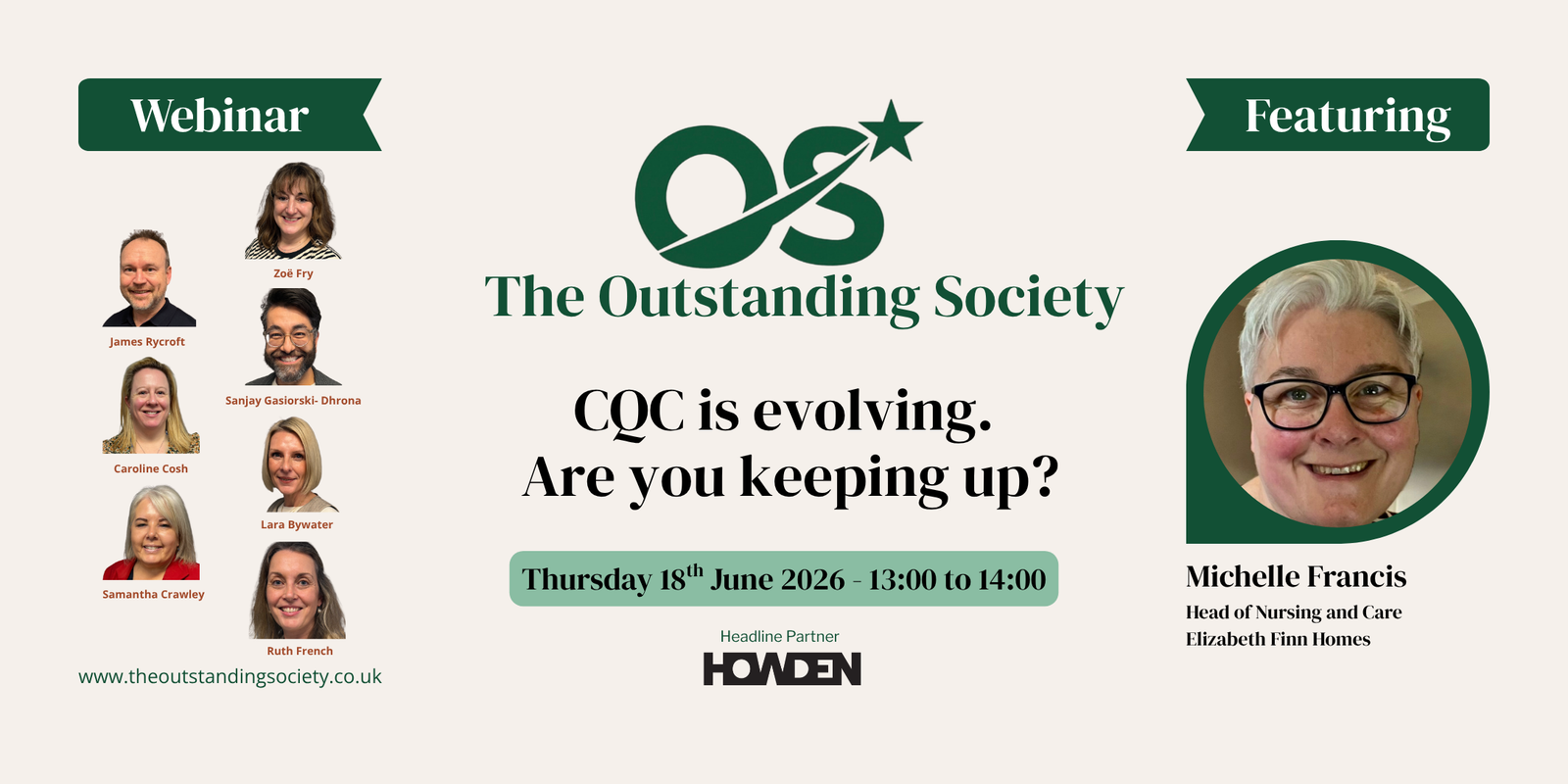
The latest Outstanding Society webinar brought together over 400 care sector professionals to explore the significant changes currently taking place within the Care Quality Commission (CQC) and what they mean for providers across adult social care.
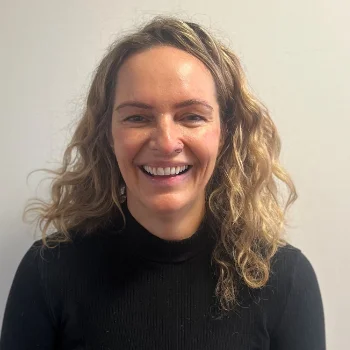
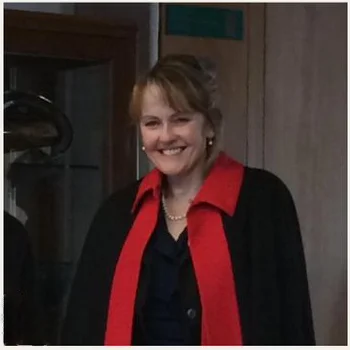
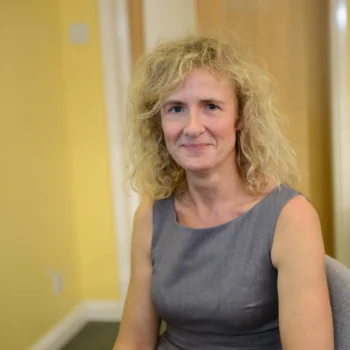
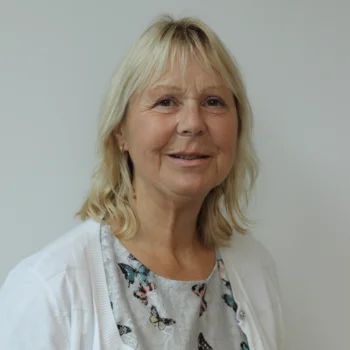
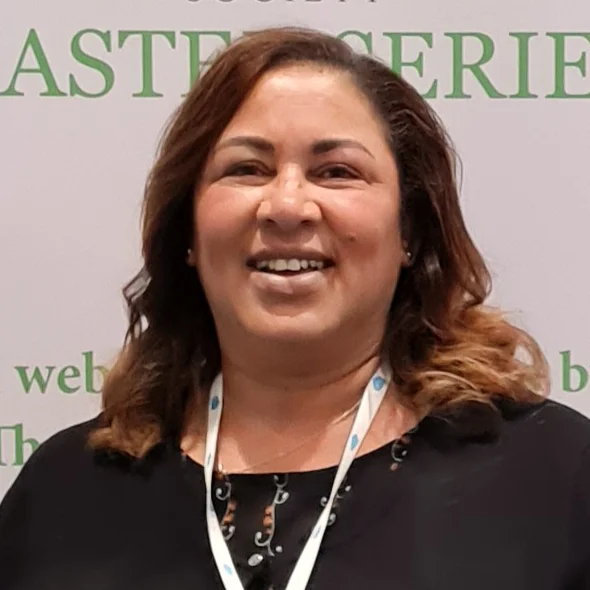
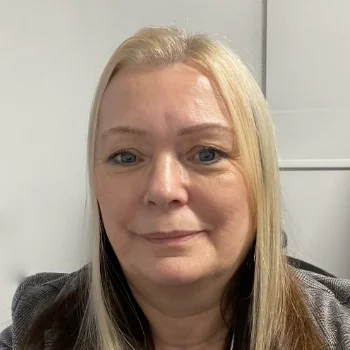
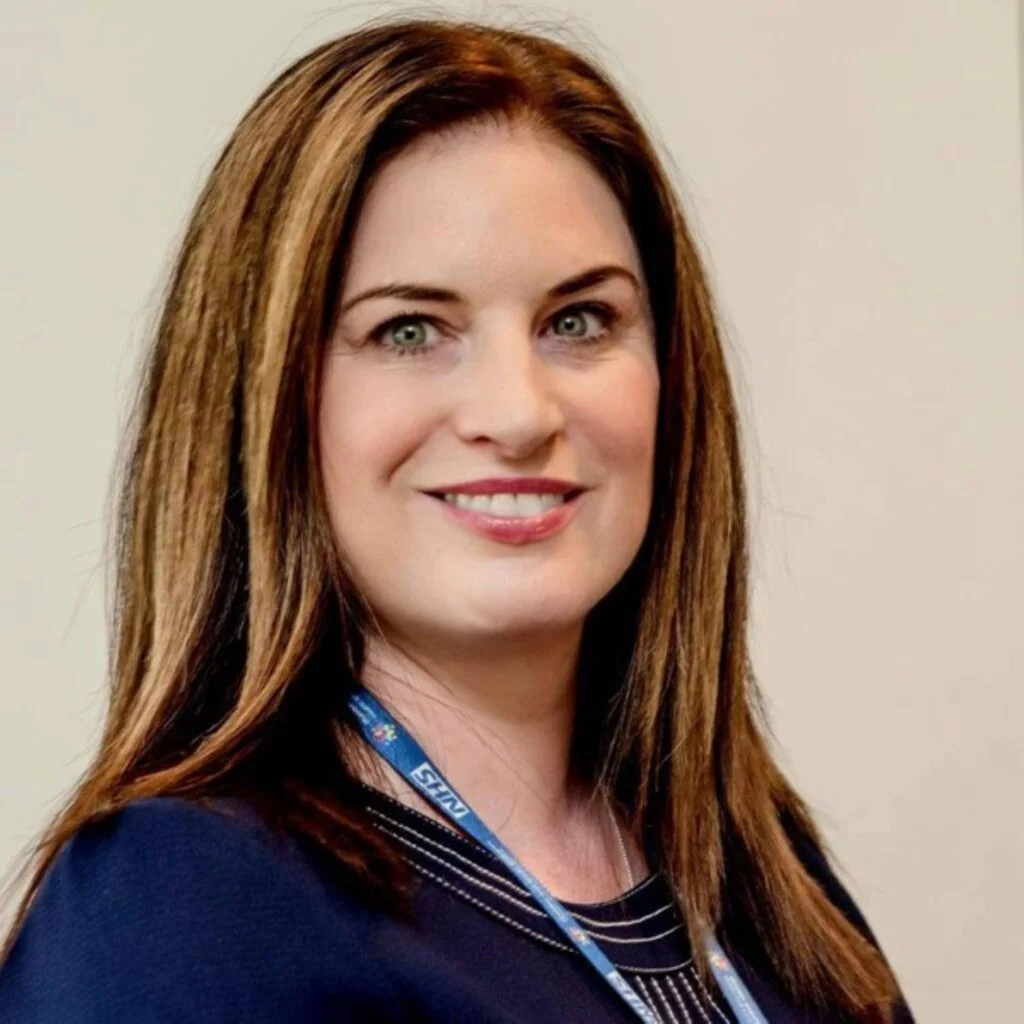
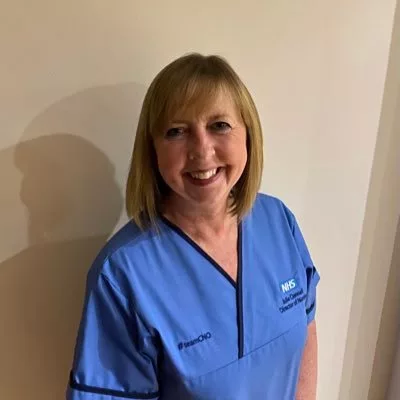
Hosted by Sanjay Dhrona and led by Ruth French, the session provided a valuable update on the future of inspections, emerging regulatory priorities, inspector portfolios, digital care records, artificial intelligence, and real-life inspection experiences from an outstanding-rated service.
If you missed the live session, you can now access both the recording and presentation slides below.
Watch the Webinar Recording
CQC Are Evolving – Are You Keeping Up?
Stay connected with the latest CQC updates, inspection insights, sector best practice, and expert-led discussions by subscribing to our YouTube channel @theoutstandingsociety.
Download the Slides
Key Updates from CQC
A New Assessment Framework is Taking Shape
One of the most significant updates shared during the webinar was the ongoing development of CQC’s new assessment framework.
Following extensive consultation and feedback from providers, CQC is moving away from the single assessment framework and returning to four sector-specific frameworks. This is expected to provide greater relevance and clarity for providers.
Other anticipated changes include:
- A reduction in the number of quality statements.
- A return to Key Lines of Enquiry (KLOEs), which will replace the Quality Statements.
- The introduction of clearer operational guidance to help providers understand what different ratings look like in practice.
- Piloting of the new framework later this year before wider implementation.
- The direction of travel suggests a more focused and practical approach that many providers have been calling for.
Understanding “Return to Good” Inspections
Services currently rated Good across all five key questions may soon experience a different type of inspection.
The new “Return to Good” approach is designed for services that:
- Are rated Good in all five areas.
- Have a registered manager in place.
- Have ratings that are six years old or older.
- Show no significant risk indicators.
- Have no ongoing enforcement activity.
These inspections focus on a reduced set of quality statements and result in shorter reports.
However, providers should note that if inspectors identify evidence suggesting an Outstanding or Requires Improvement/Inadequate rating, the inspection can be expanded into a full assessment.
The message from Ruth was clear: even under a shortened inspection model, providers should continue showcasing the full breadth of their achievements and evidence.
The Return of Named Inspector Portfolios
Another welcome development is the return of named inspector portfolios.
Many providers have expressed frustration at not knowing who to contact within CQC, and the regulator has listened.
The portfolio model is currently being rolled out, beginning in London, and aims to provide:
- Greater continuity.
- Improved communication.
- Stronger relationships between providers and inspectors.
- Clearer routes for raising questions and concerns.
Providers will begin receiving communications identifying their portfolio inspector as the programme expands nationally.
Digital Care Records and Remote Access
One of the most discussed topics during the webinar was CQC’s pilot around remote access to digital care records.
The regulator is exploring ways inspectors may safely and lawfully access digital systems both on-site and remotely.
While participation remains voluntary during the pilot phase, providers were encouraged to start thinking about their own organisational policies around digital access.
Samantha Crawley shared practical insights from her organisation’s experience, explaining why inspectors are always accompanied by someone who understands how their digital systems are configured.
Her advice was simple:
“It’s not about restricting access. It’s about helping inspectors find the information they need safely, accurately and efficiently.”
As digital inspections continue to evolve, providers should consider reviewing their policies, staff guidance and governance arrangements now.
Artificial Intelligence: What Providers Need to Know
CQC has also published a new position statement on Artificial Intelligence (AI).
The regulator is already piloting AI tools to support inspection planning and report drafting. This allows inspectors to analyse larger volumes of information, identify emerging risks and target inspection activity more effectively.
For providers, the key considerations include:
- Human oversight and accountability.
- Data protection and information governance.
- Staff training and confidence.
- Transparency around how AI is used.
- Involving people who use services in decisions about AI-enabled processes.
The consensus from the session was that AI can support efficiency, but it should never replace professional judgement, compassion or human decision-making.
Outstanding in Practice: Learning from Grove Court
One of the highlights of the webinar was hearing directly from Michelle Francis, Head of Nursing at Elizabeth Finn Homes.
Michelle shared the experience of Grove Court in Woodbridge, which recently achieved:
- Outstanding in Caring.
- Outstanding in Responsive.
- Outstanding in Well-led.
The inspection demonstrated several important lessons:
Stay Inspection Ready
The inspection was unannounced, and the Registered Manager was on annual leave.
Despite this, the team remained calm, confident and prepared because inspection readiness was embedded in daily practice rather than something activated only when CQC arrived.
Be Responsive
Inspectors identified several areas where immediate improvements could be made.
Rather than becoming defensive, the team acted quickly, implemented changes and demonstrated responsiveness. Some issues raised during inspection did not ultimately appear in the final report because the provider addressed them effectively and to the inspector’s satisfaction.
Organise Evidence in Advance
Michelle shared how Elizabeth Finn Homes had created digital evidence folders aligned to each key question and quality statement, making it easy to access documentation quickly when requested.
Challenge Where Appropriate
The organisation successfully challenged part of the draft report through the factual accuracy process, resulting in an improved Well-led rating.
This serves as an important reminder that providers should not be afraid to respectfully challenge decisions when they have evidence to support their position.
Confidence, Not Fear
A recurring theme throughout the webinar was confidence.
Whether discussing inspections, staffing, digital systems or governance, speakers emphasised that providers who understand their service, know their evidence and involve their teams have little to fear from inspection.
As Samantha Crawley reminded attendees:
“If your teams are confident in their competence and understand why things are done the way they are, there’s nothing to hide.”
Looking Ahead
The pace of change within CQC remains significant, but there are encouraging signs that the regulator is listening to providers and refining its approach.
The Outstanding Society will continue to attend key stakeholder meetings, engage directly with CQC and share the latest developments with members and the wider sector.
Thank you to Ruth French, Samantha Crawley, Michelle Francis and everyone who contributed to another insightful session.
Join Us Next Month
Our next webinar will explore:
“What Keeps You Awake at Night?”
We’ll be tackling the biggest challenges currently facing providers and sharing practical solutions from across the sector.