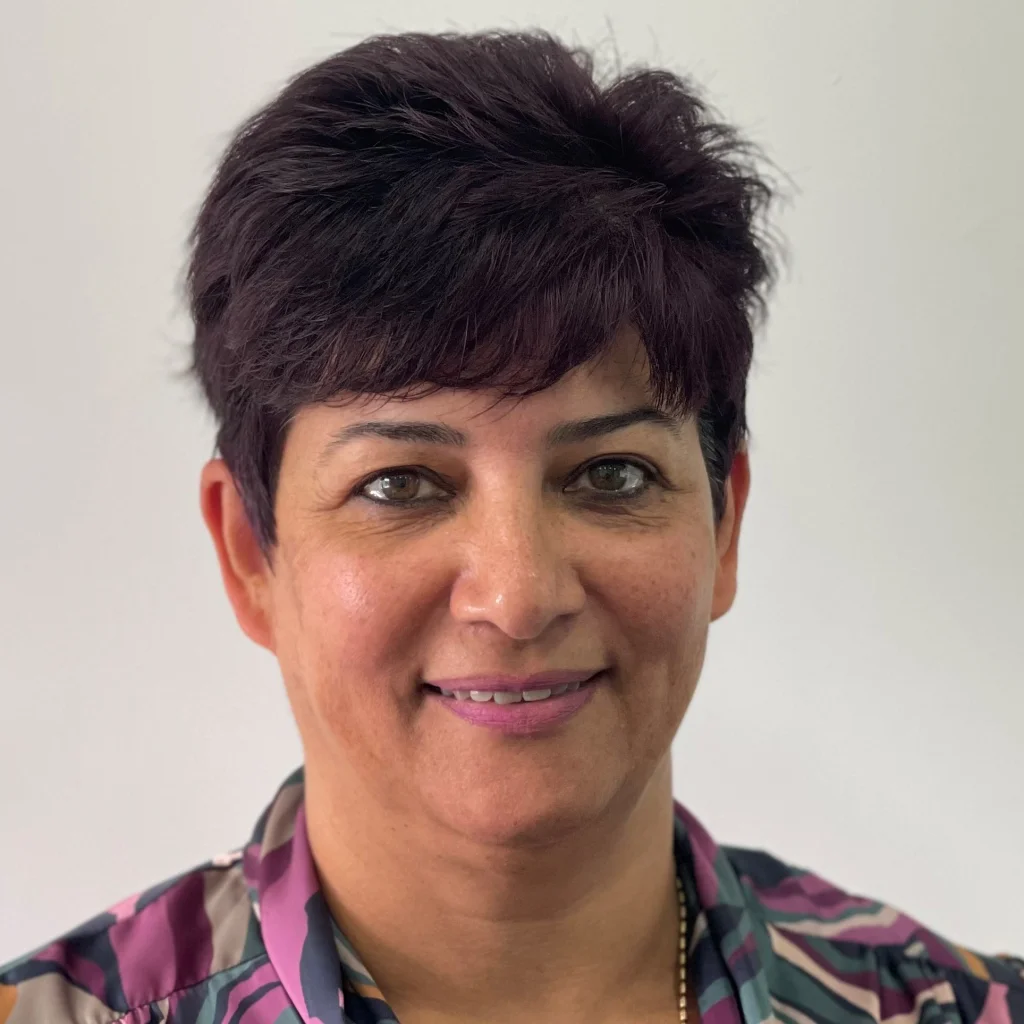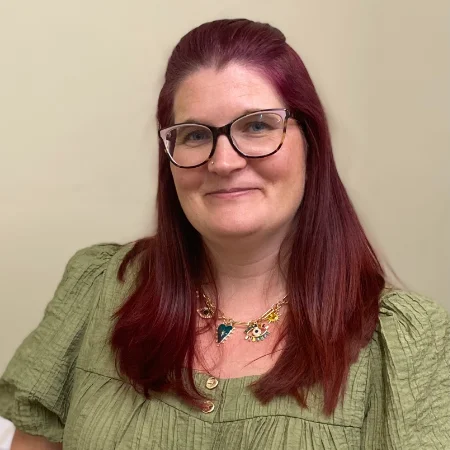

By Matthew Attfield, Managing Director, Ashfield Services
Are you still facing the same questions as others?
- Which tier does each team member need?
- How do you release people for training while keeping your service running?
- Should you deliver it internally, bring in a provider, or combine the two?
- Can I access funding, and if so, how?
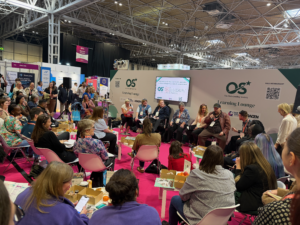
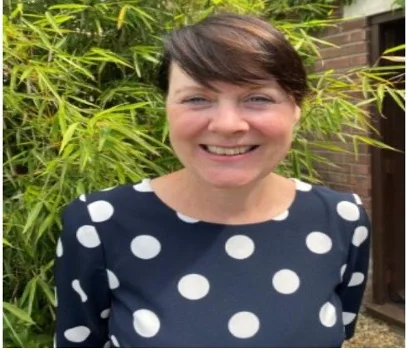
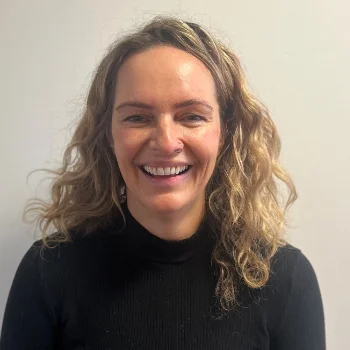
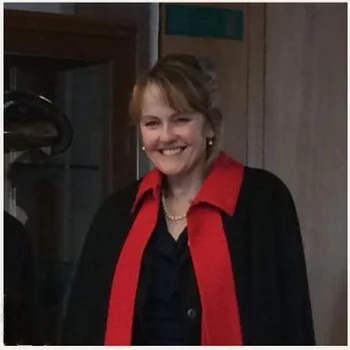
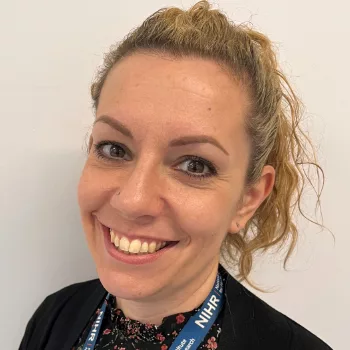
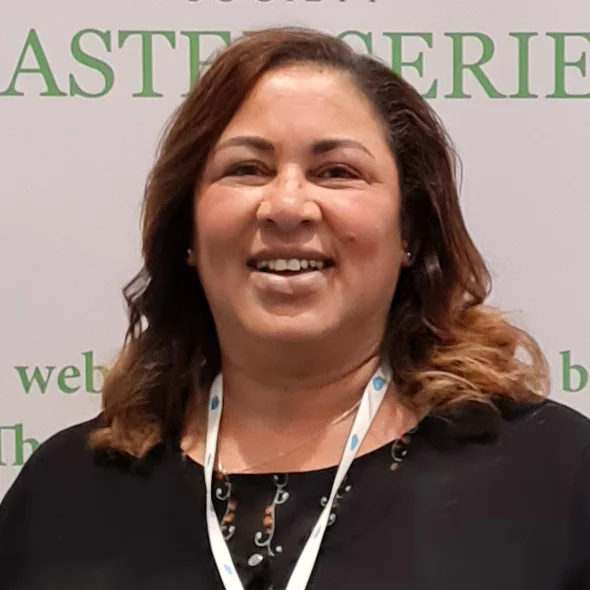
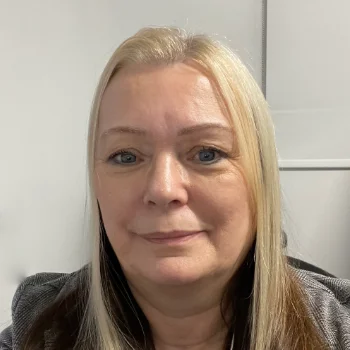
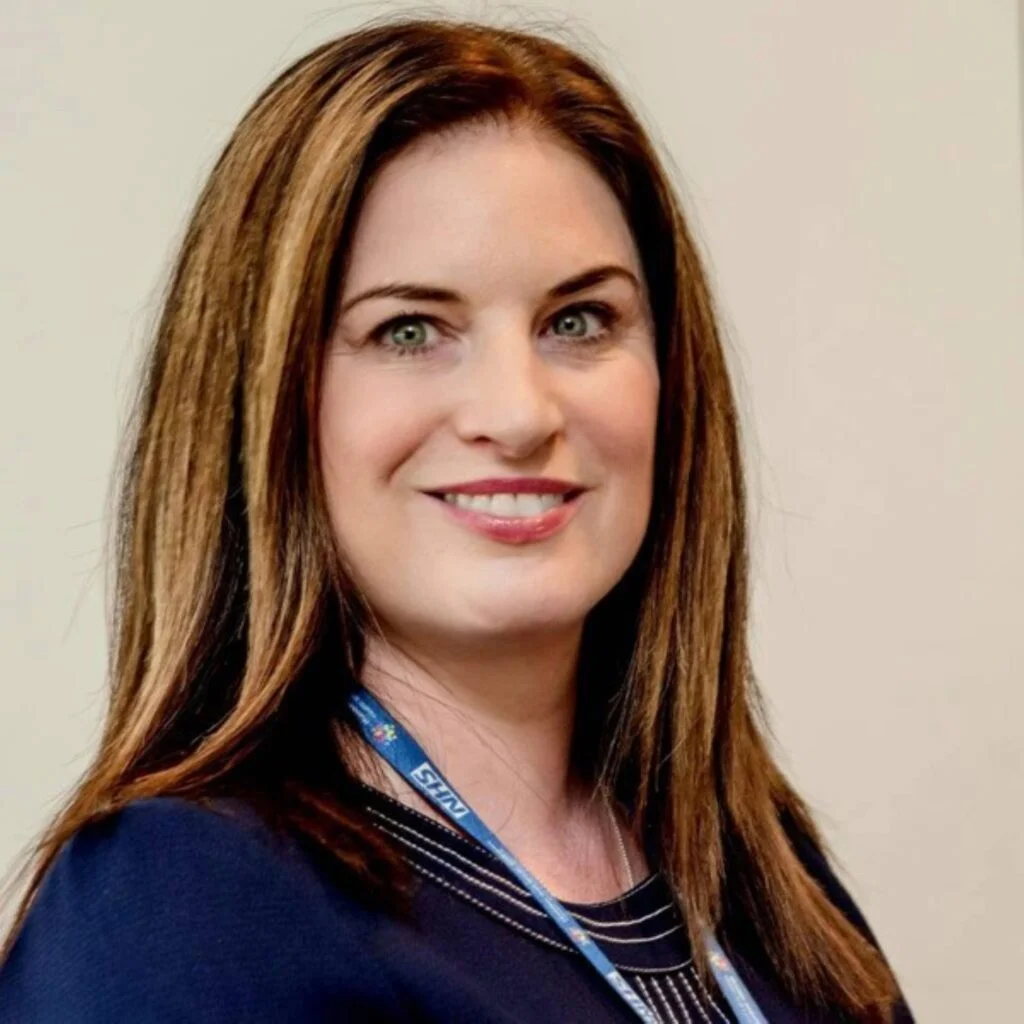
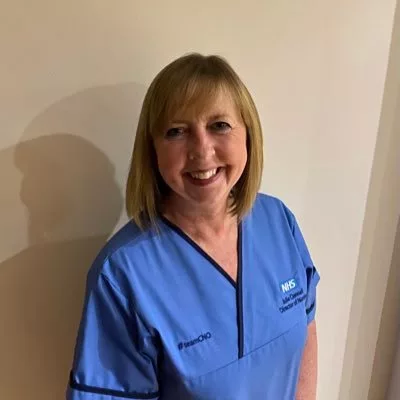
If these questions sound familiar, you were in good company at our recent webinar, The Oliver McGowan Mandatory Training: From Requirement to Reality. Bringing together colleagues from Ashfield Services, LDC Care and The Outstanding Society, the discussion explored the decisions providers face and the support that can help them move forward.
For anyone yet to start, the message was encouraging: there are several ways to organise delivery, and you can build a realistic plan around your workforce and the people you support. And if you need assistance with that, Ashfield Services can definitely help.
What our audience told us
The opening polls showed organisations at different stages. In the live commentary, nearly half of respondents were reported to be using an external provider. Others were delivering internally or using a mixture of approaches, while some had not yet started delivery.
Awareness of available funding was described as close to a 50/50 split. That suggests a useful starting point for providers who may have assumed they would have to meet all the eligible training costs themselves.
These were snapshots of our webinar audience, with approximate results reported during the session. They nevertheless showed that questions and queries surrounding delivery and funding were shared by others in the room.
Understanding what your team needs
For CQC-registered health and social care providers in England, the requirement is to ensure staff receive learning disability and autism training appropriate to their role. The Oliver McGowan Mandatory Training is the government’s preferred and recommended package for meeting that requirement. Alternative packages that are delivered internally must meet the standards in the Oliver McGowan Code of Practice.
The official Oliver’s Training package has two parts. Everyone first completes the eLearning, which is available free through eLFH (https://portal.e-lfh.org.uk/Component/Details/781480) and takes approximately 90 minutes and is known as The Oliver McGowan Mandatory Training on Learning Disability and Autism – Part 1 of 2 (or often just Part 1 elearning). They then complete the interactive part at the appropriate tier:
- Tier 1 (Part 2): a one-hour live online session for staff who need general awareness. A facilitator, an autistic co-trainer and a co-trainer with a learning disability deliver the session, with opportunities to ask questions.
- Tier 2: a full day of face-to-face learning for staff who may need to provide care and support, including relevant decision-making responsibilities. It includes discussion, reflection and learning directly from co-trainers with lived experience.
The Part 1 eLearning alone does not complete Oliver’s Training. Learners need the eLearning followed by the appropriate Tier 1 (Part 2) or Tier 2 (Part 2) interactive session.
The webinar’s role scenarios illustrated why job titles alone are not enough to decide. A telephone-based role can involve supporting autistic people or people with a learning disability, while a manager may influence care without providing it personally. Review what each person actually does, consider their learning needs and record your decision.
“It’s not about the job title or someone’s banding, it’s about what you do day-to-day.” — Jax Blunt, Trainer Lead for Oliver’s Training at Ashfield Services
Choosing an approach that works for you
An external delivery partner like Ashfield Services, can help you plan around workforce numbers, locations and rotas, coordinate facilitators and co-trainers, and manage attendance records and certificates. This can be particularly useful when you need to begin delivery without first building your own training team.
Always ask how the provider checks trainer competence, supports co-trainers and monitors quality. Discuss how many people you can release at a time and what reporting you need. A useful partnership starts with understanding your service and its practical constraints.
Internal delivery may suit organisations with the capacity to develop and sustain their own team. It requires preparation, appropriate trainer development, co-trainer recruitment and support, scheduling and ongoing quality assurance. Delivering the official package internally also means meeting its trainer and delivery requirements.
You can combine these approaches. For example, an organisation might use an external partner while developing internal capacity, or arrange external Tier 1 sessions alongside internal Tier 2 delivery. Your approach can evolve as your organisation changes.
LDC Care shared its experience of developing its own learning disability and autism programme, with people it supports involved as paid co-trainers. The team described how hearing familiar people explain their experiences brought new understanding, even for longstanding employees.
LDC’s programme is distinct from the official Oliver McGowan Mandatory Training package. The panel explained that its chosen approach did not qualify for the ring-fenced Oliver’s Training funding. Any provider considering an alternative must ensure it meets the Code’s standards and check funding eligibility separately.
Keeping lived experience at the centre
Throughout the webinar, speakers returned to the value of learning directly from autistic people and people with a learning disability. Their experiences help learners understand how communication, assumptions and everyday decisions can affect someone’s care.
The panel also described the confidence and opportunities that paid co-training can bring. People who had never previously held paid employment were developing their skills, travelling to deliver sessions and finding new confidence in their expertise.
Sharing personal experiences can be emotionally demanding. Preparation, reasonable adjustments and ongoing support before, during and after sessions are essential, whether delivery is internal or external.
“It’s about never, never stepping back from that support, never stepping back from that debrief.” — Cheryll Champion, Head of Innovation, Quality and Compliance at LDC Care
Exploring funding
Eligible social care employers in England can seek reimbursement for Oliver’s Training through the Learning and Development Support Scheme claims service. Funding continues for 2026–27, subject to eligibility, reimbursement limits and available funds.
Check your Adult Social Care Workforce Data Set (ASC-WDS) account meets the current data requirements. The webinar highlighted that Ashfield Services can provide support if you need help setting up or updating your records.
Keep completion certificates and, for externally purchased training, proof of payment. Eligible in-house Oliver’s Training claims do not require proof of payment, but trainer and evidence requirements still apply. For 2026–27, course claims must be submitted within three months of completion.
Budget separately for staff cover: current guidance does not allow funding for backfill pay. Check the latest scheme guidance before committing expenditure, as reimbursement is not guaranteed.
Looking for the difference in everyday practice
When we asked attendees how they would know the training had changed practice, the word cloud included feedback, better outcomes, reasonable adjustments, staff attitudes and voices being heard. Feedback was particularly prominent in the live discussion.
These give providers useful ways to follow up after training. Ask colleagues what they have changed. Explore learning in supervision and team meetings. Listen to the people receiving support and their families, and look for examples of communication or care becoming more responsive to individual needs.
One learner’s feedback shared in the webinar captured this clearly:
“It taught me how to translate compassion into practical, personalised adjustments — and why doing so is essential for safe, respectful, and effective care.” — learner feedback shared during the webinar
Reflecting on the provenance of the training and the impact, Lara Bywater, Managing Director of LDC Care and Director of Learning Disability, Autism & Mental Health Care, shares “I am reminded all too often of the life-saving impact that Oliver McGowan training is having on the lives of people with learning disabilities and autism.
The training is not simply about raising awareness. It is about equipping colleagues with the knowledge, skills and confidence to recognise when something isn’t right, challenge decisions where necessary and advocate for those who may struggle to have their voices heard.
At LDC Care Co Ltd we have seen colleagues use this learning to professionally challenge and advocate for people to receive the medical attention and support they need, directly influencing their health outcomes.
For me, this is where the true value of training lies. Not in the completion of a course or a certificate, but in the confidence to speak up, challenge appropriately and potentially save someone’s life.
That is meaningful learning, and that is why this training matters”.
Taking your first step
If you have yet to begin, and you’re not sure where to start, reach out to the dedicated OMMT team at Ashfield Services via email on OMMT@ashfieldservices.co.uk and we can help you start.
You do not need to resolve every practical question alone. At Ashfield Services, we can talk through your workforce needs and help you plan delivery around your service. The aim is to give your team the understanding and confidence to provide safer, more informed and compassionate support.