
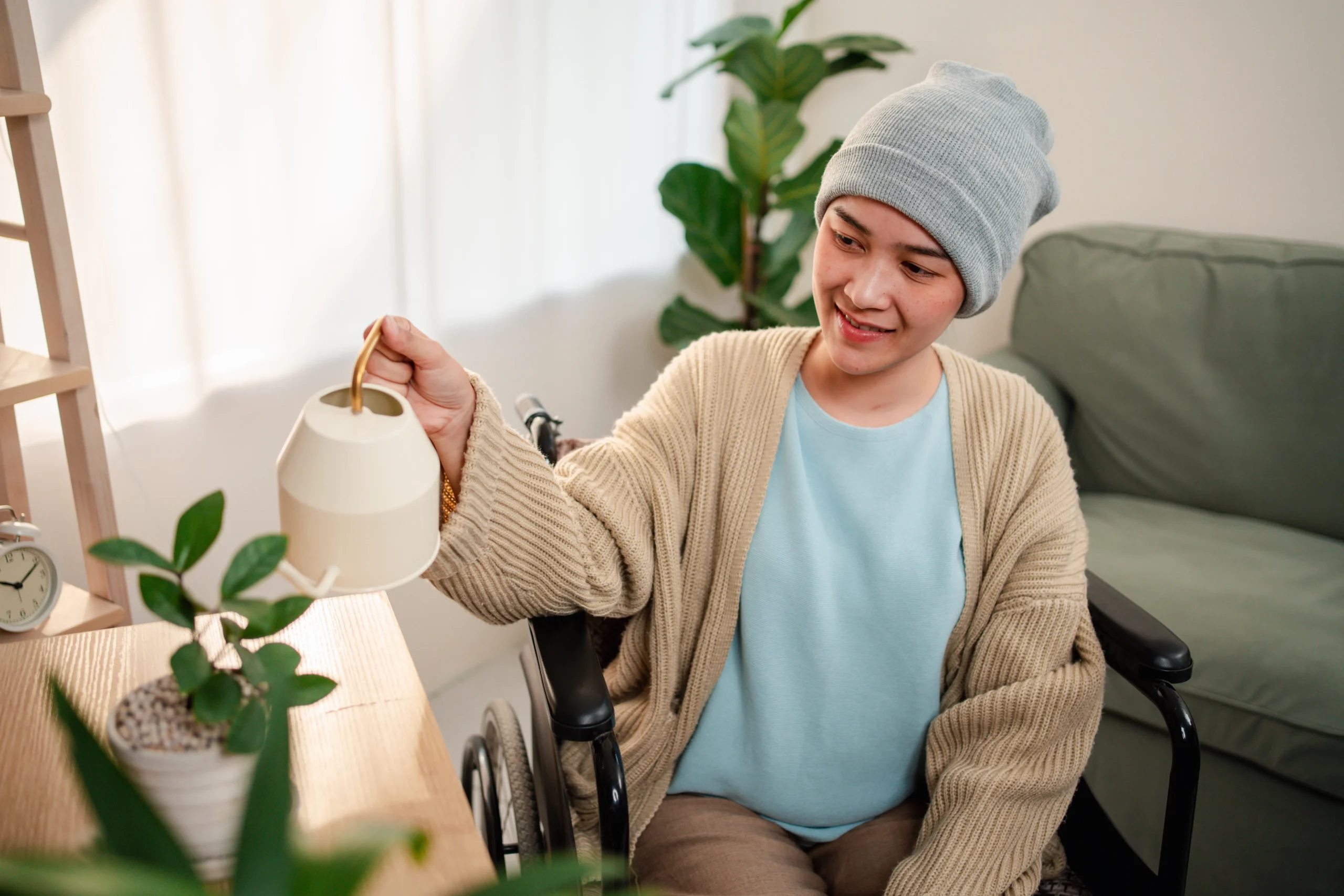
Self-care for caregivers doesn’t need hours. Try 10 quick, proven habits to reduce stress, boost energy, and protect your well-being—without leaving your loved one.
Caring for someone you love is a privilege—but also challenging. Most days, you’re juggling meds, meals, transport, paperwork, and the emotional weight of it all. You don’t have much time left for yourself.
But self-care for caregivers is a much-needed thing that helps to cope with a hectic day.
Below are 10 tiny, simple habits you can start today. They’re short. They’re realistic. And they work even when your schedule… doesn’t.
1) Two-Minute Breathing Reset (4–7–8… or just gentle in–out)
Why it helps: Stress flips your body into fight-or-flight. A brief breath reset nudges your nervous system toward calm, improving focus and patience.
How to fit it in: Tie it to existing moments—while the kettle boils, during a bathroom break, in the parked car.
Try this: Inhale 4, hold 4, exhale 6. Do three rounds. If counting feels faffy, just lengthen the exhale slightly. That’s it.
2) Micro-Movement Snack (60–120 seconds)
Why it helps: Caregiving is oddly static—lots of sitting, lifting, and tension. Micro-movement boosts circulation, reduces stiffness, and lifts mood.
How to fit it in: Every time you send a text or end a call, do 10 squats against a wall, shoulder rolls, ankle circles, or 30 seconds.
Try this: Set phone alarms named “Move for 1 minute.” Put one before meds, one before lunch, one at dusk. Minimum effective dose wins.
3) “Sip & Salt” Hydration Habit
Why it helps: Dehydration mimics anxiety and fatigue. A pinch of electrolytes (or a splash of juice + pinch of salt) helps fluid absorb better than plain water.
How to fit it in: Keep a bottle where you actually stand—by the meds tray, car cup-holder, or bathroom shelf. Sip every time you pass it.
Try this: Aim to finish one small bottle by noon and one by dinner. If you forget, take five steady sips now. No guilt, just sips.
4) 90-Second Nature Glance
Why it helps: Looking at greenery—even a photo—reduces stress markers. Natural light also supports circadian rhythm and sleep.
How to fit it in: Open a window. Step onto the doorstep. Glance at a plant. If you’re inside all day, use a 1-minute sky check between tasks.
Try this: Save a photo of a favourite park as your phone lock screen. Every unlock = a tiny nature pause.
5) Boundaries Script (One polite sentence)
Why it helps: Over-giving leads to resentment and burnout. A simple script helps you say no (or “not now”) without guilt.
How to fit it in: Keep one sentence ready. Use it when requests pile on.
Try this: “I want to help, but I’m at capacity today. Let’s look at another time or ask <Name> to step in.”
Bonus: Put it in the family WhatsApp group so you can copy-paste when your brain is fried.
6) Protein-First Mini Snack
Why it helps: Stable blood sugar = steadier mood and energy. Protein slows the spikes.
How to fit it in: Stock “grab-ables”: yoghurt, cheese sticks, nuts, boiled eggs, hummus, tuna packs. Pair with fruit or crackers.
Try this: When you prepare a meal for your loved one, add a protein bite for you—before you clear the dishes.
7) 3-Line Journal (Name it to tame it)
Why it helps: Writing reduces mental clutter and processes emotion. Three short lines are enough to notice patterns and release pressure.
How to fit it in: Keep a tiny notebook near the bed or meds area.
Prompt:
- One thing that felt heavy: ____
- One thing that helped (even a bit): ____
- One small win I’m taking with me: ____
Takes 90 seconds, tops.
8) Text a “Helper” (Tiny ask, clear end)
Why it helps: Caregiving can feel isolating. People want to help but don’t know how. Make it easy and specific.
How to fit it in: Send one message each week: “Could you pick up milk when you’re at the shop?” or “Can you sit with Mum 30 minutes on Friday so I can shower?”
Try this: Keep a rotating list of “tiny asks.” When someone says, “Let me know if you need anything,” reply with one item from the list.
9) Wind-Down Anchor (same time, short ritual)
Why it helps: Consistent cues teach your brain: “We’re safe; it’s bedtime.” Even if sleep is interrupted, the ritual lowers arousal.
How to fit it in: Choose two quick steps you can repeat: warm face wash + dim the lights, or chamomile tea + 5 slow breaths.
Try this: Keep it under five minutes. If you miss the time, do it the next chance you get—consistency over perfection.
10) “Permission Slip” Mindset
Why it helps: Many carers put themselves last and then feel guilty for resenting it. A mental permission slip validates your needs.
How to fit it in: Write it on a sticky note where you’ll see it: “I’m allowed to take up space and time. My care counts too.”
Try this: When guilt pops up, repeat: Taking care of me is taking care of them.
Your 15-Minute Daily Plan (Plug-and-play)
You don’t need a full hour. Start with 15 minutes total, scattered through the day:
- Morning (5 min): Protein snack + 2-minute breathing reset.
- Midday (5 min): Micro-movement + water “sip & salt” + nature glance.
- Evening (5 min): Wind-down anchor + 3-line journal.
Pro tip: Stack each mini habit onto something you already do (kettle on → breath reset; meds given → water sips; phone unlock → green glance). Habit stacking is the caregiver’s best friend because it removes the need for extra willpower.
When Self-Care Feels Impossible (Triage Mode)
Some days everything goes sideways—appointments run late, symptoms flare, emotions spike. On those days, shrink the target. Choose one of the following:
- Breathe for 60 seconds (slow exhale).
- Drink half a cup of water.
- Stand by an open window and count five things you can see.
If you do just one, you still practiced self-care for caregivers. That keeps the habit alive.
Early Signs of Burnout You Shouldn’t Ignore
- You snap at small things or feel numb.
- Headaches, tight shoulders, or constant fatigue.
- Worsening sleep despite exhaustion.
- Withdrawing from friends or skipping basic tasks.
If this feels familiar, it’s not a personal failure. It’s a signal. Increase the basics (food, water, rest), ask for a micro-respite (30–60 minutes), and consider speaking to a GP or a counsellor. Burnout isn’t a badge; it’s a boundary being crossed.
How to Make Help Happen (Even if you’re “bad at asking”)
- Name the job: “Sit with Dad from 2:00–2:45 on Tuesday.”
- Offer an option: “If not Tuesday, is Thursday okay?”
- Give a why: “I need to collect my prescription.”
- Accept ‘no’ gracefully and move to the next person on your list.
- Use tech: Shared calendars or a WhatsApp rota spread the load.
Remember: the goal is sustainable care. If you share duty with others, it can help everyone, even the person you care for.
FAQs
- Isn’t self-care selfish when someone else needs me more?
No. Neglecting your health can increase the chance of mistakes and the risk of illness. - I can’t get a full day off. What’s the point of tiny breaks?
Micro-rests regulate your nervous system. They’re small but cumulative—like putting coins in a jar. Over a week, they add up. - What if routines keep getting interrupted?
Expect interruptions. Design “restart points.” If your evening ritual is derailed, do a 60-second version when you remember. Done beats perfect. - How can I keep this going long term?
Track wins, not misses. Each night, jot one thing that helped. Humans repeat what they feel good about—so create a little “win” feeling daily.
Quick Checklist (screenshot or print)
- 2-minute breath reset.
- 1 movement snack.
- Finish bottle #1 by noon.
- Nature glance.
- Protein bite.
- Send one tiny ask (if needed).
- 3-line journal.
- Wind-down anchor.
- Say the permission slip out loud.
- Sleep (aim for a consistent cue, not perfection).
Pin this where you’ll see it—fridge, meds station, or the back of your phone.
Medical & Safety Considerations
These self-care ideas can improve the well-being of the caregivers. But they’re not medical advice. If you have a health condition or your caring role involves complex needs, check with a healthcare professional before changing diet, movement, or sleep routines.
Final Word
If you remember nothing else, remember this: you are part of the care plan. Start tiny. Stack habits onto what you already do. And when the day falls apart, pick one micro-moment and call it a win. That’s self-care for caregivers—not a luxury, but the foundation that keeps everything (and everyone) going.